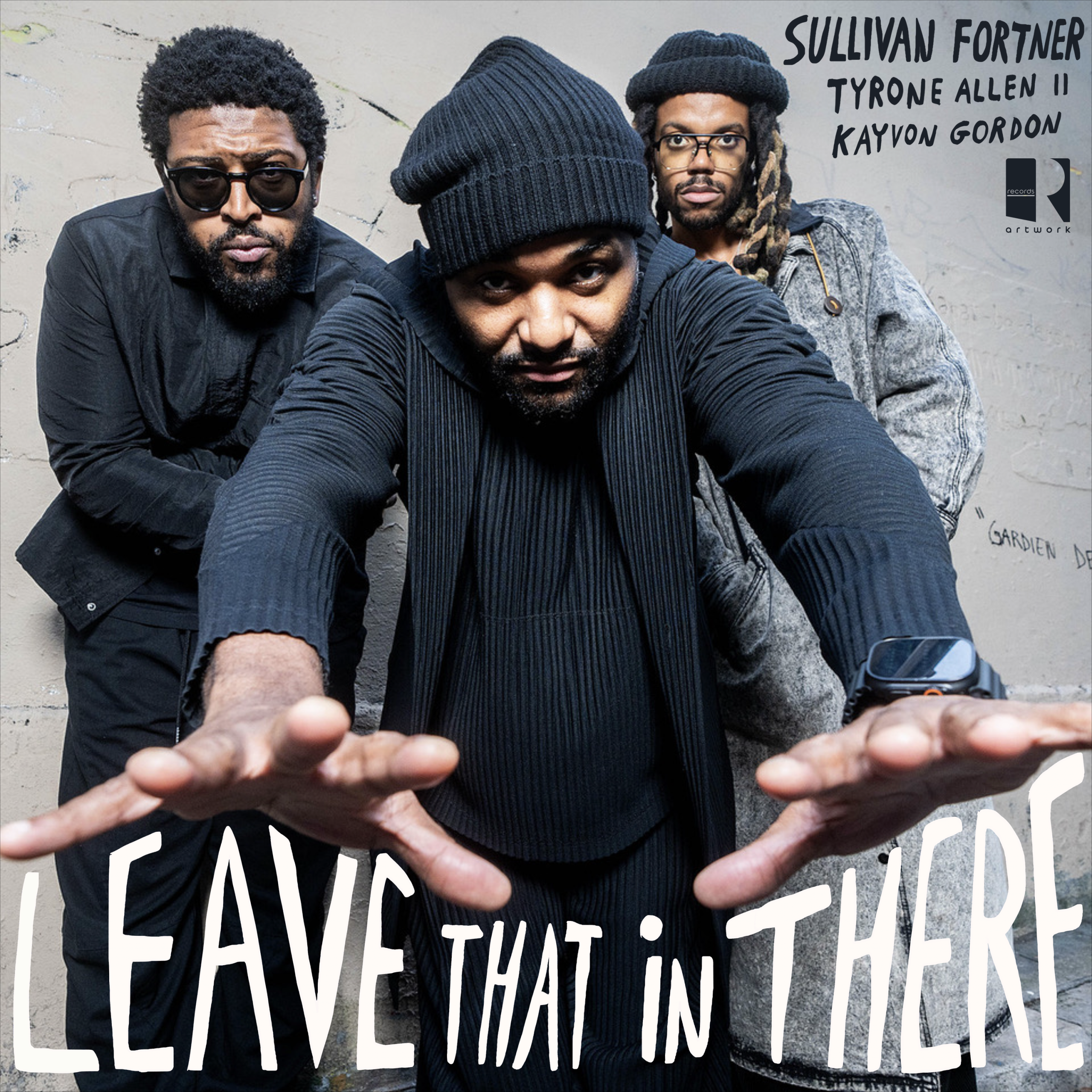
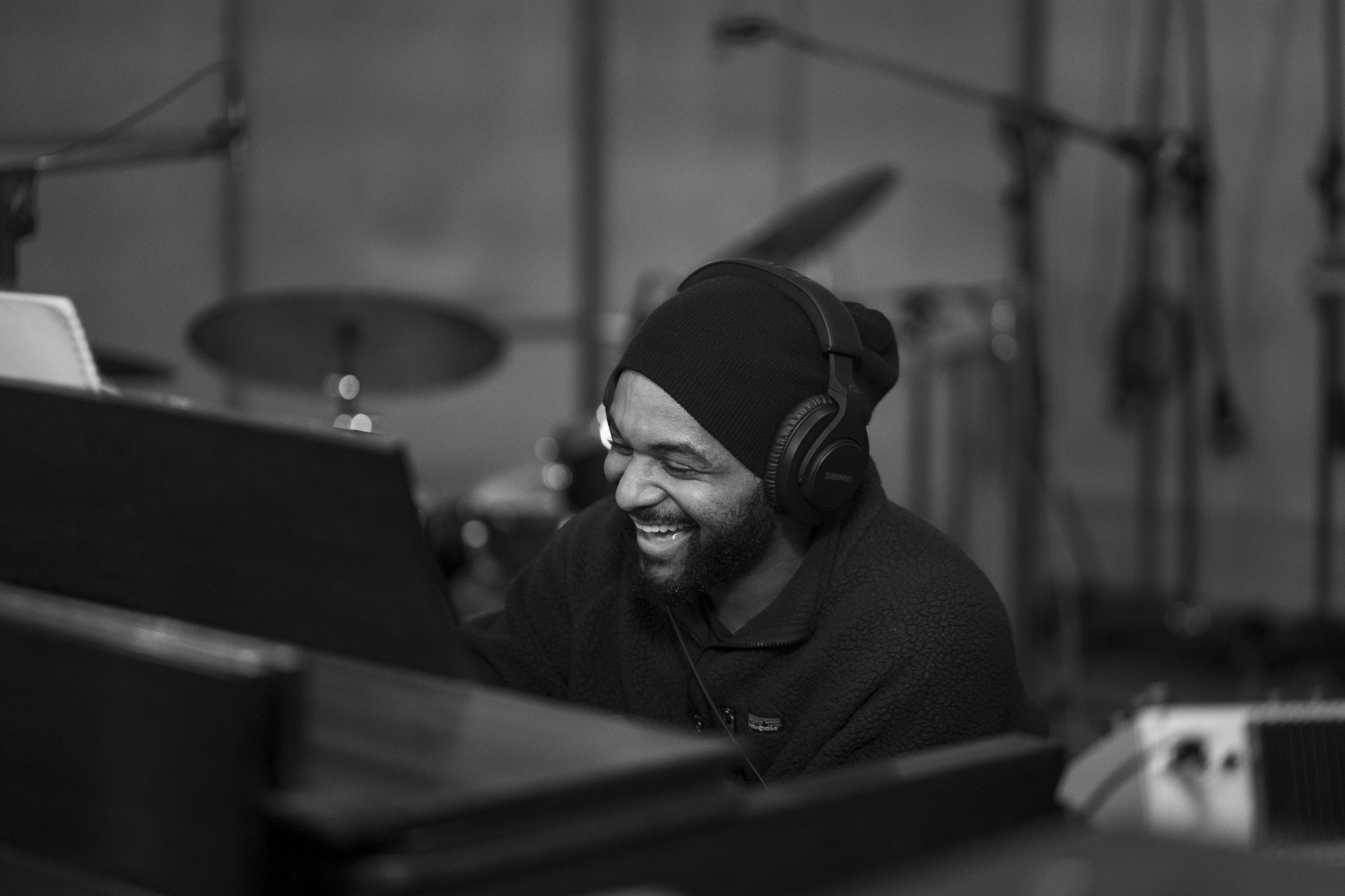
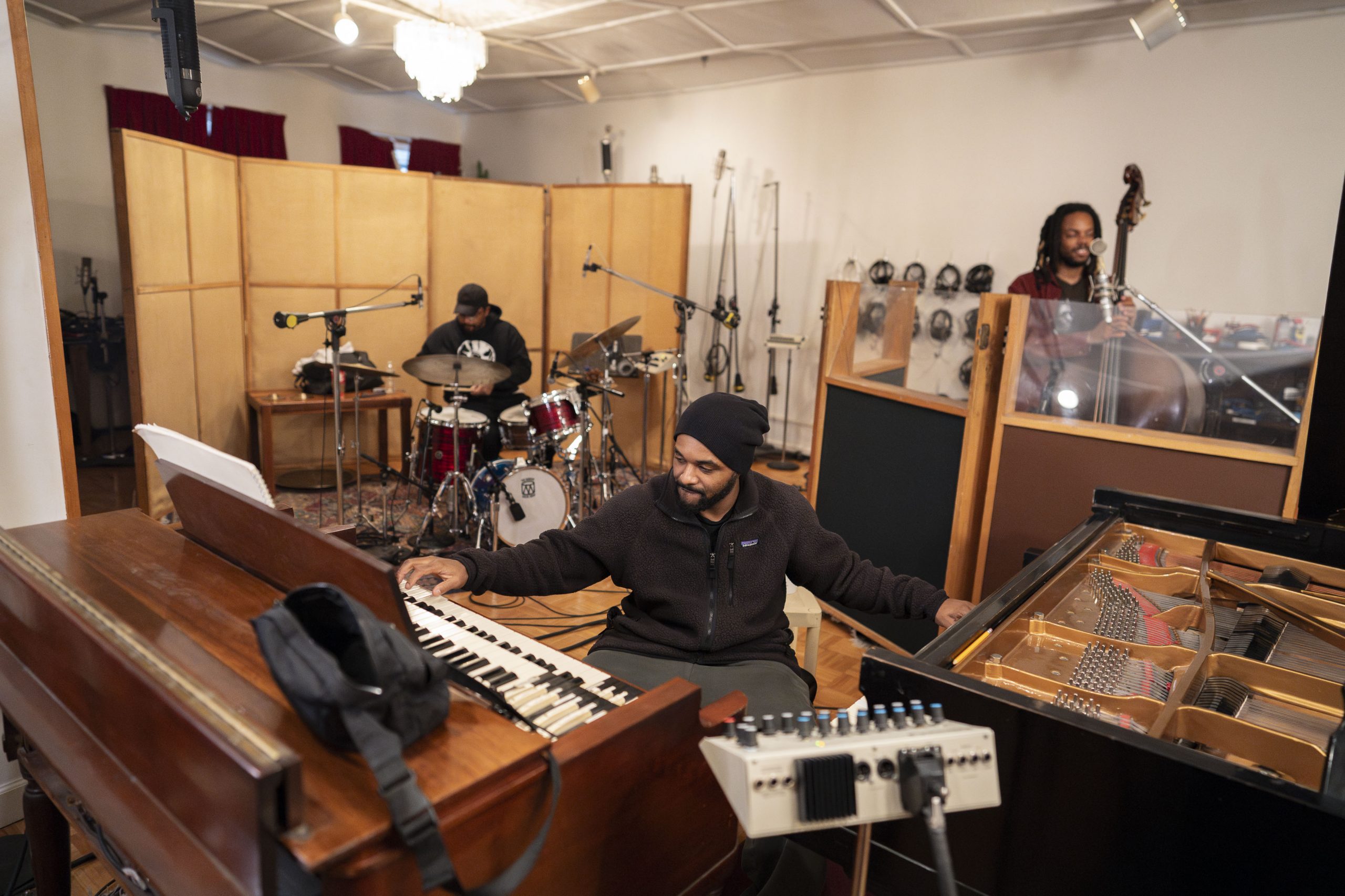
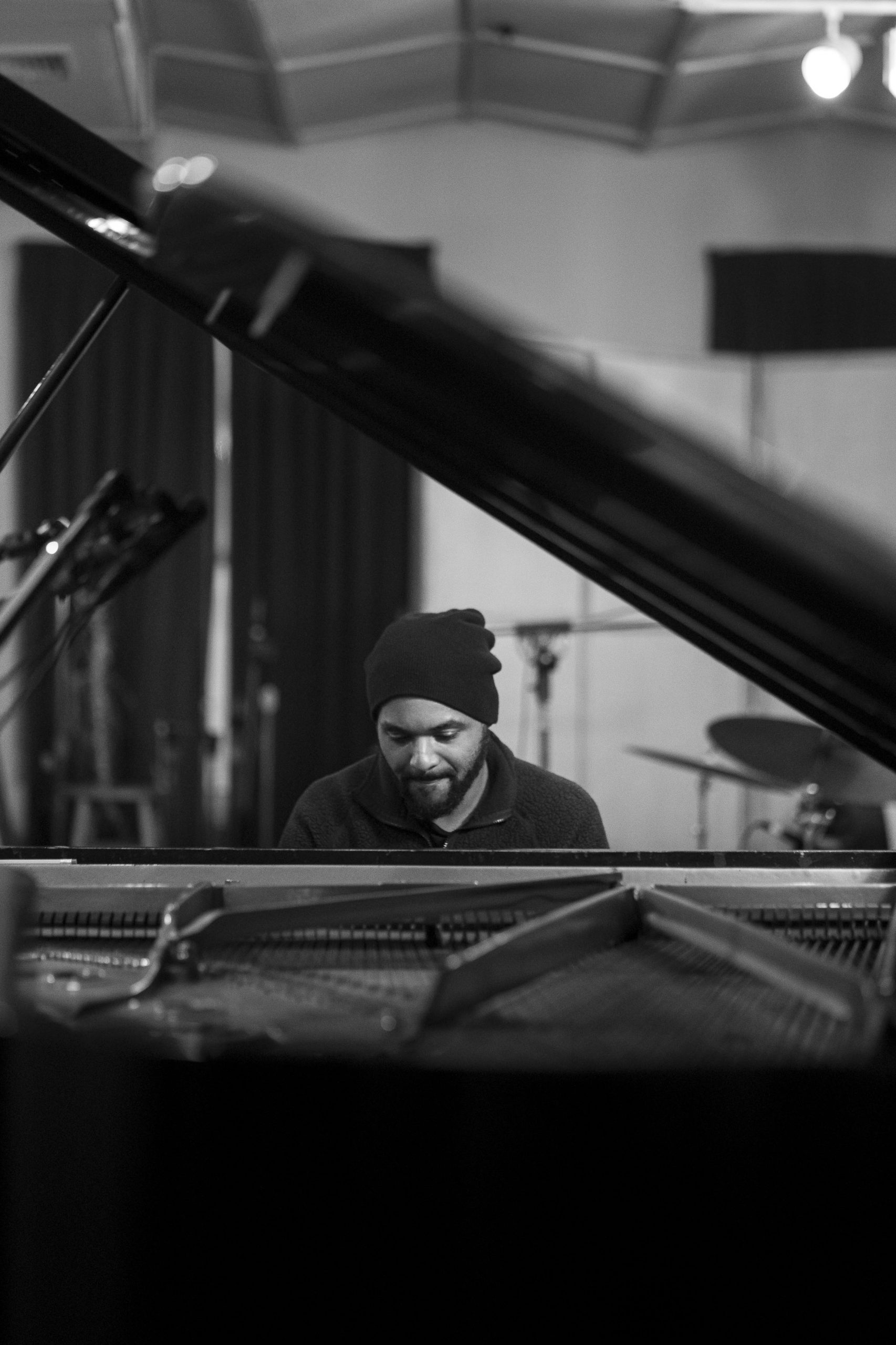
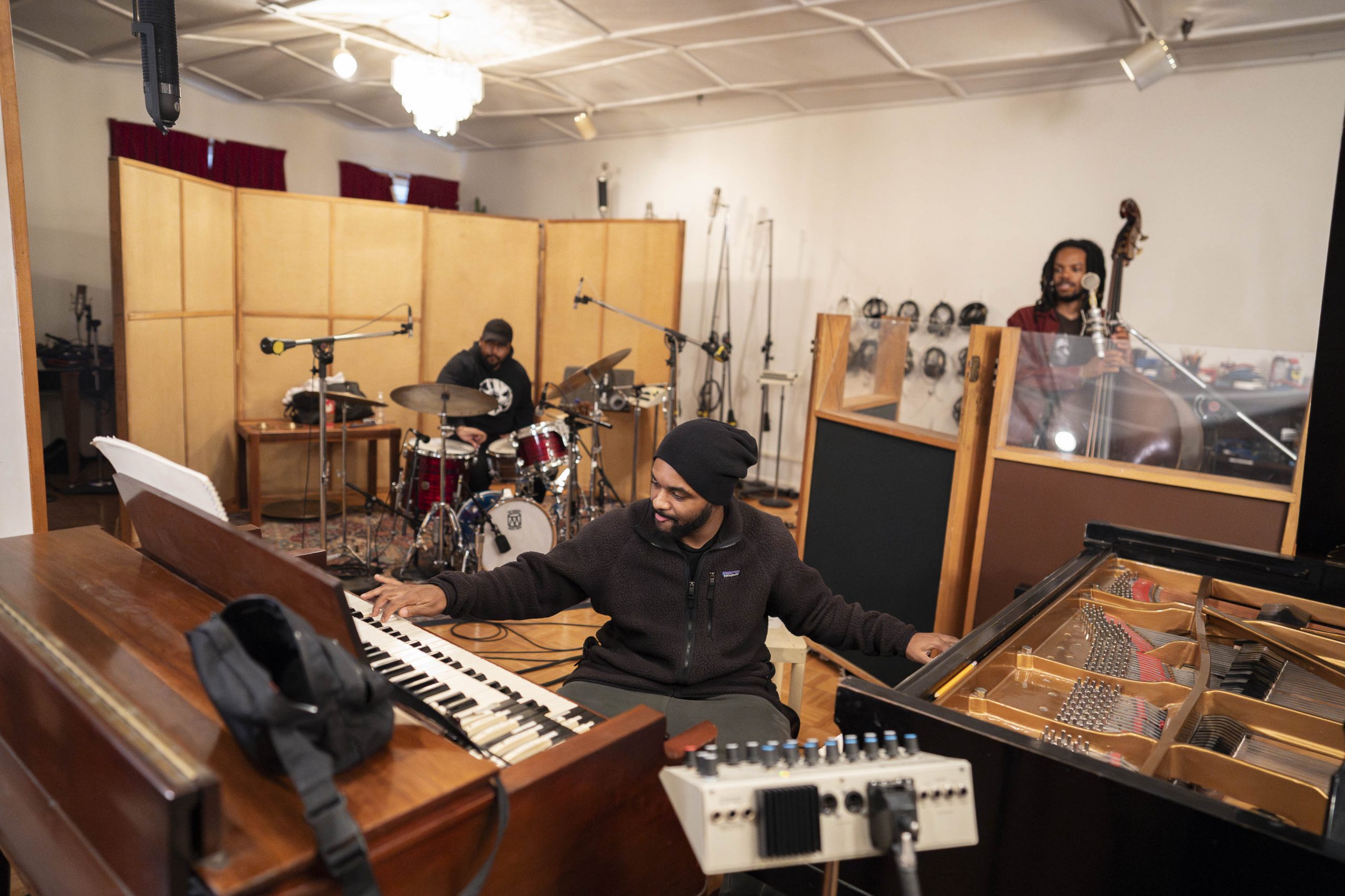
The album title comes from a line in When the Levees Broke: A Requiem in Four Acts, Spike
Lee’s 2006 documentary chronicling the devastation following Hurricane Katrina. In the liner
notes, writer Courtney-Savali L. Andrews recounts Fortner’s deep connection to the phrase
and the layered meanings it carries within the record’s broader themes of memory, survival,
humor, grief, ancestry, and resilience. Andrews describes the album as “his most self-referential
work to date,” noting that Fortner sought to create “a catalogue of music that is connected.”
Raised in New Orleans, Fortner draws heavily throughout the album from the Gulf South, its
landscapes cultural, musical, and historical. Opening track “Sugarcane” serves as an entry point
into many of the album’s broader themes, drawing from both Fortner’s personal history and the
deeper historical landscape of southern Louisiana, where he was raised. Built around Kayvon
Gordon’s Bàtá drumming and layered rhythmic interplay between the trio, the composition
reflects Fortner’s ongoing engagement with Black diasporic musical traditions while also
referencing the histories of labor, migration, and resistance tied to Louisiana’s sugarcane
industry. In the liner notes, Andrews connects the piece to the history of the 1811 German Coast
uprising, the largest revolt led by enslaved Africans in American history, which took place near
LaPlace, the town where Fortner grew up.
The composition also draws from Fortner’s own childhood memories. “Everybody knows what
sugarcane is,” he recalls in the liner notes. “My grandmother used to come over with stalks of
sugarcane. You would cut it, we would sit there, eat it and spit it out on the ground. That’s how I
learned how to sweep as a kid.” Andrews describes the track as reflecting both the
responsibilities and musical values Fortner inherited growing up, while the arrangement itself
moves between acoustic piano, marimba, synthesizer textures, and layered percussion that
subtly reference artists including Stevie Wonder, George Duke, and Bernie Worrell. The musical
material introduced in “Sugarcane” later reappears elsewhere on the album, reinforcing the
interconnected structure that runs throughout Leave That In There.
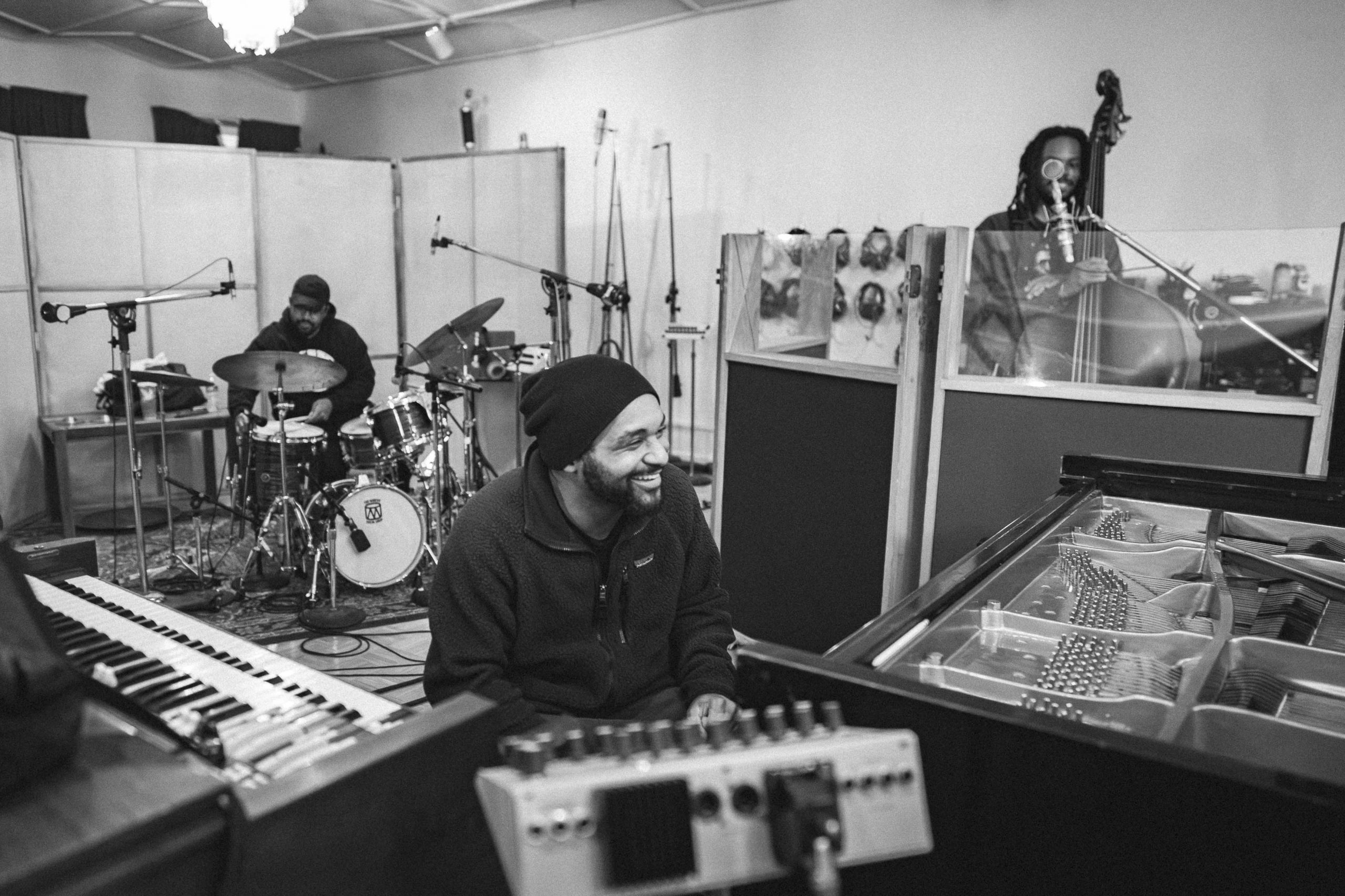
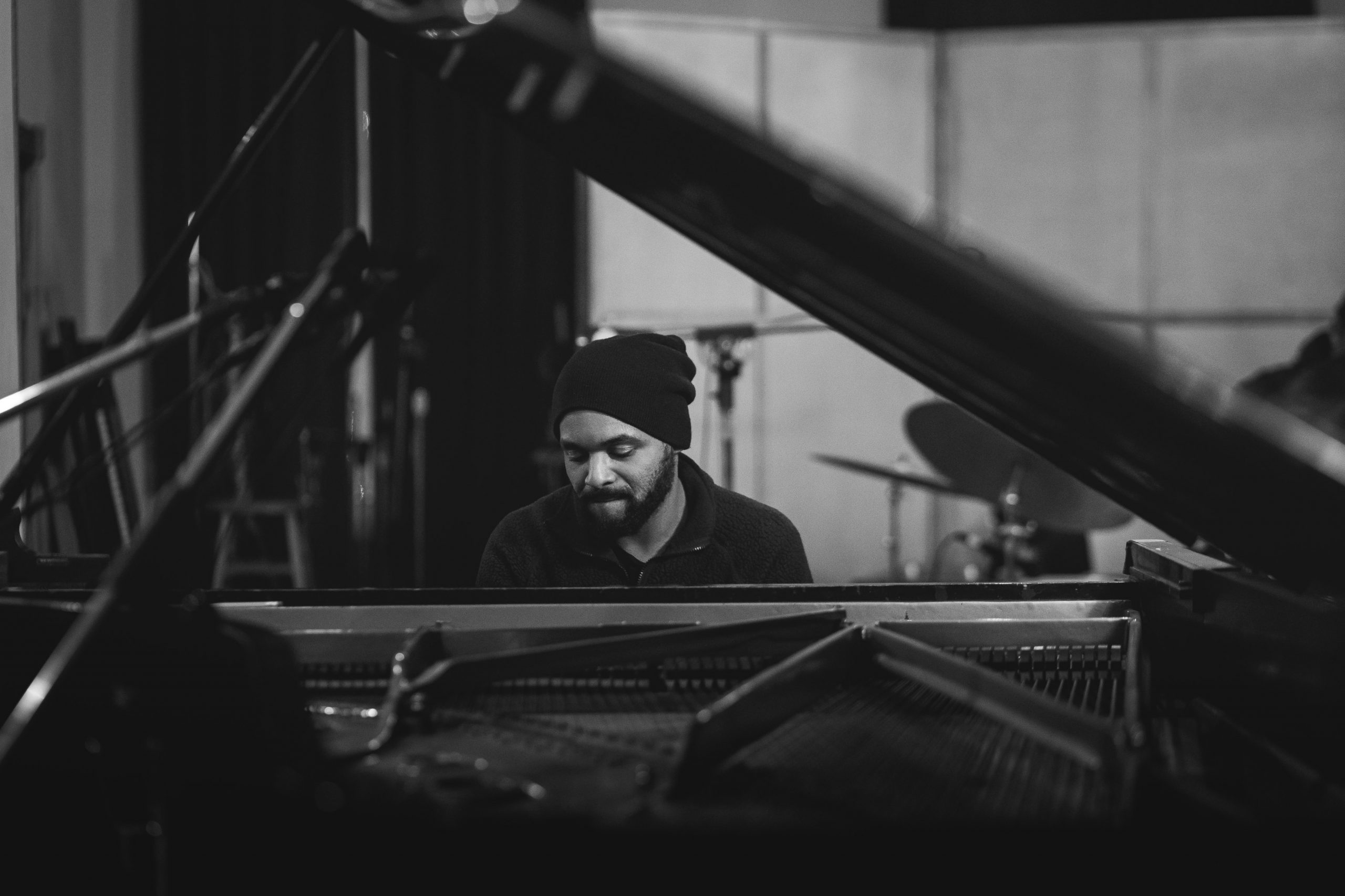
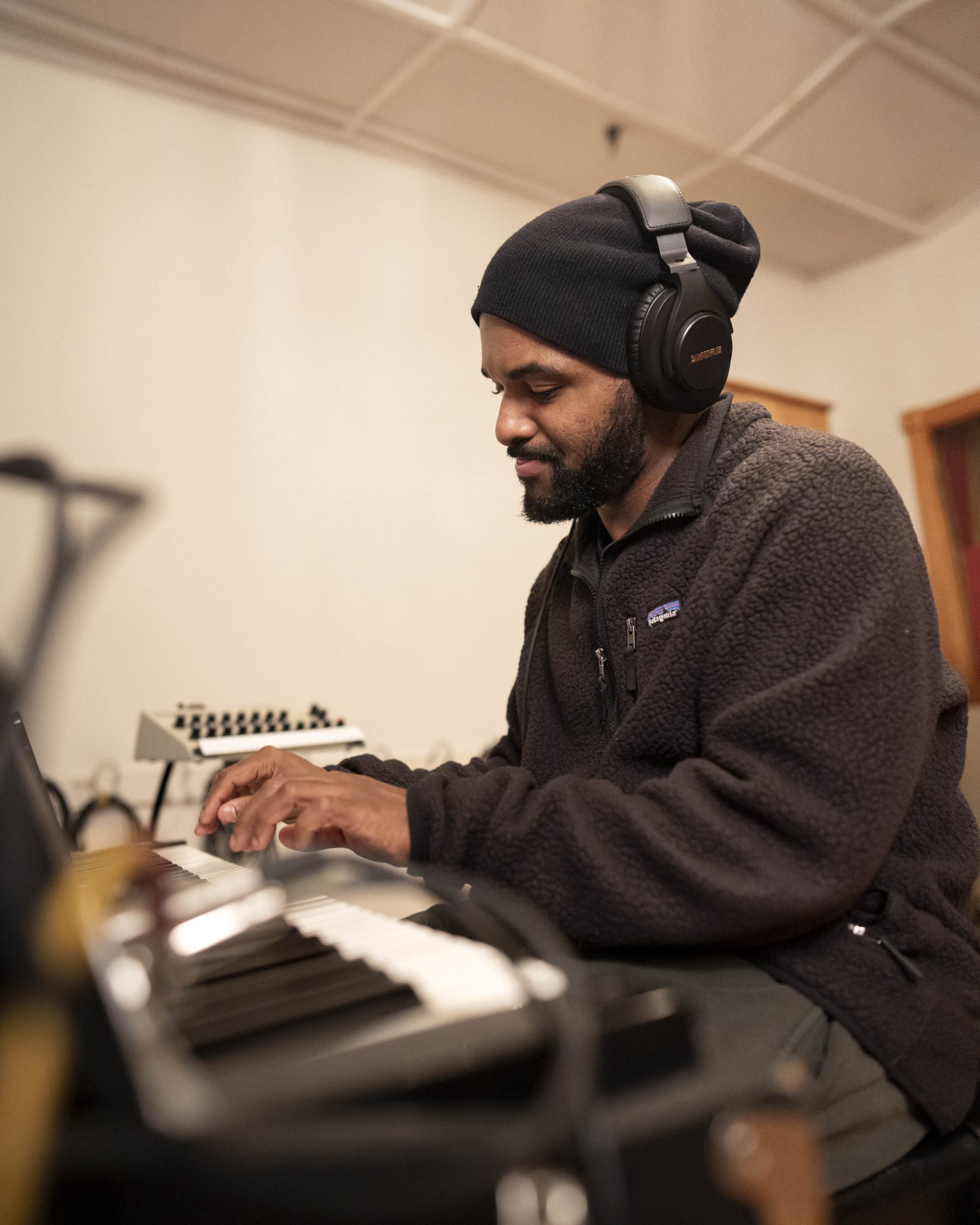
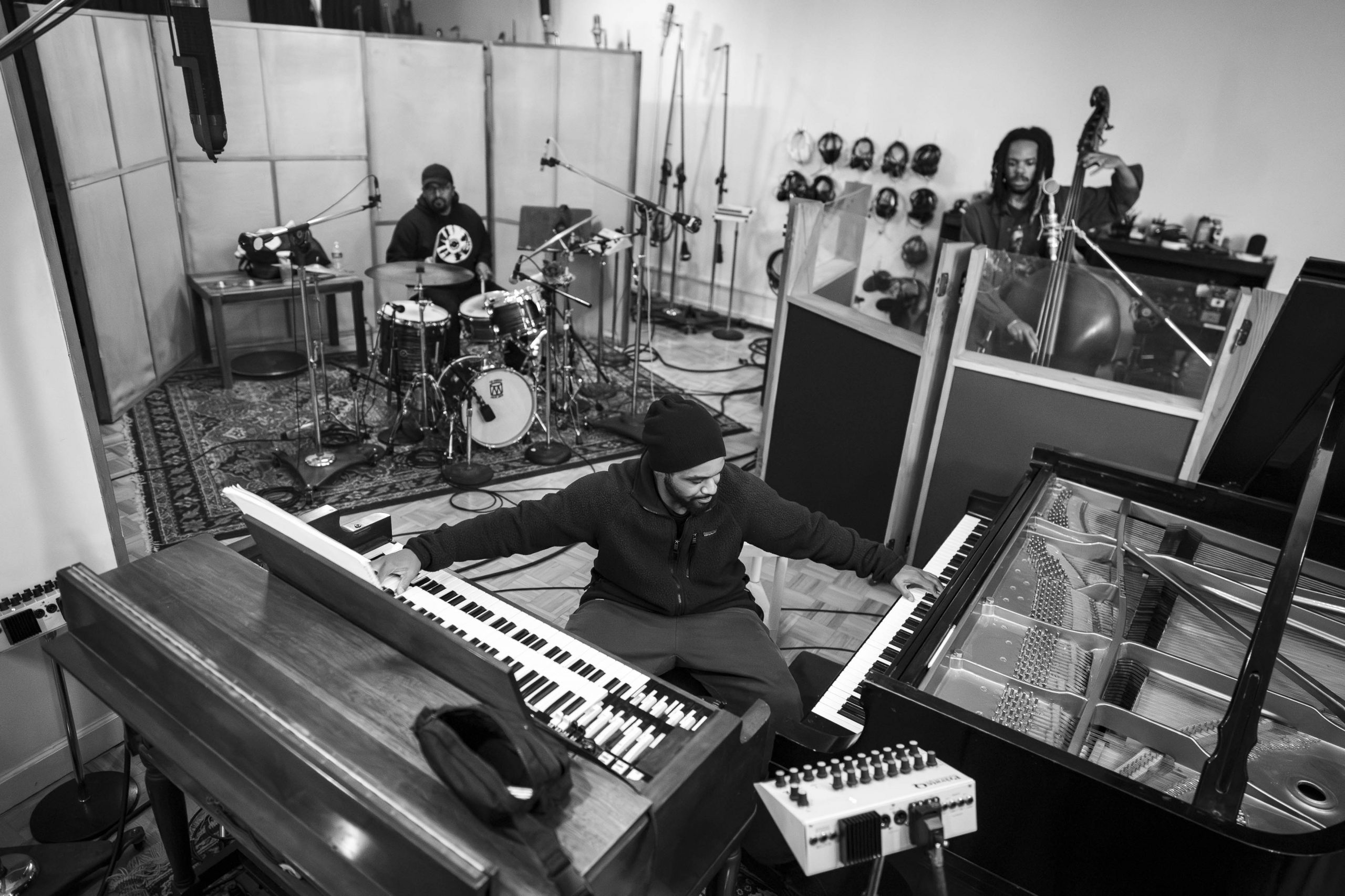
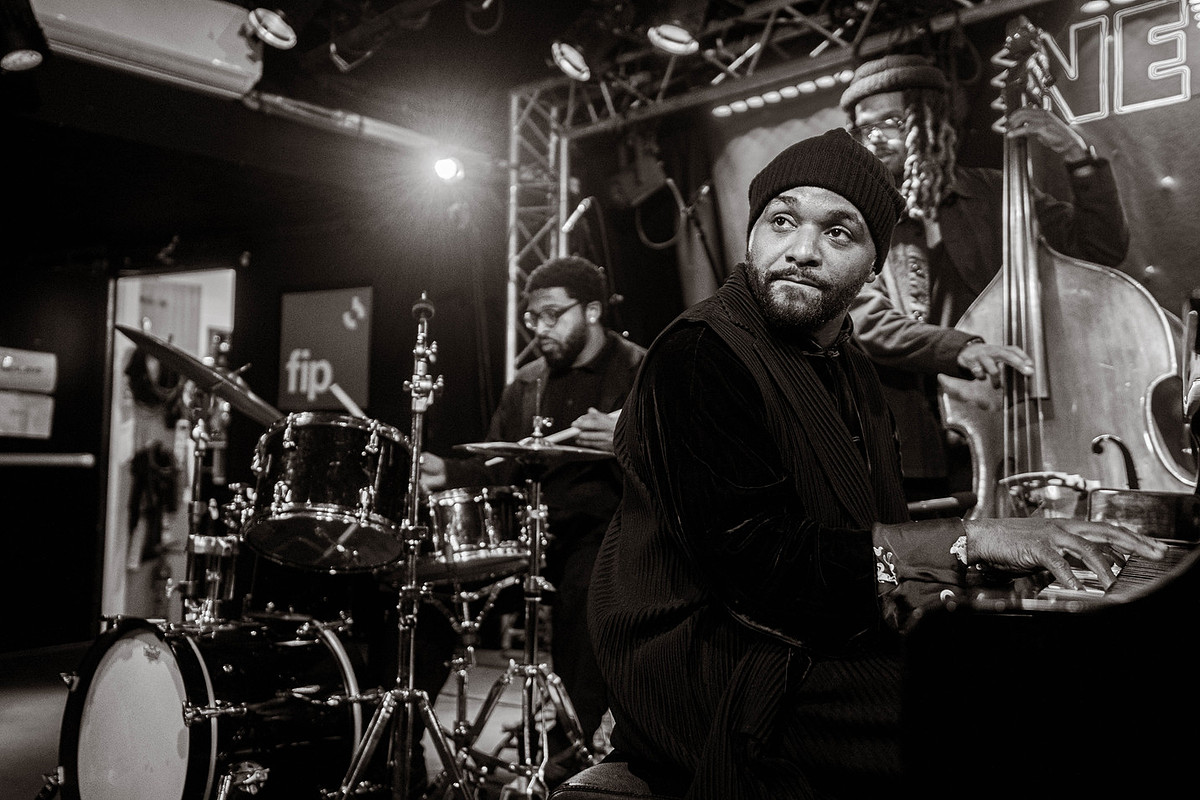
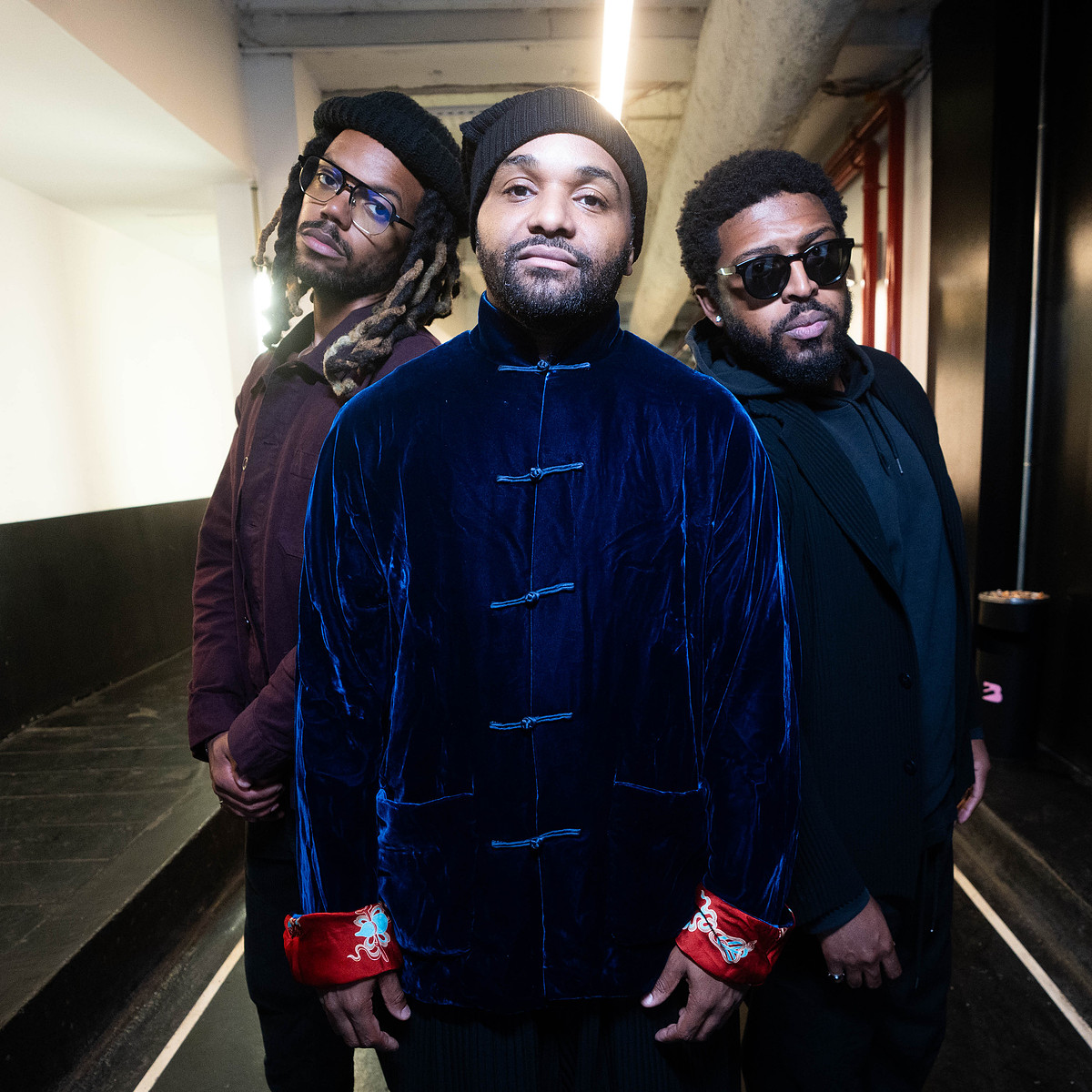
The trio of Fortner, Allen, and Gordon has steadily developed into one of the pianist’s most
cohesive ensembles in recent years. Andrews writes that the album documents “the first [record]
as the frontman to this consistent lineup,” capturing a band shaped through ongoing
performance rather than a one-time studio session. Their interplay across the album balances
precision with spontaneity, allowing Fortner’s compositional structures and improvisational
instincts to coexist naturally within the same musical language.
Leave That In There features a dozen originals, composed by Sulivan or fully improvised in the
studio with the trio. Among the album’s other highlights are “Swirl,” a new original composition
inspired by Thelonious Monk, the meditative tribute to the late Mama Payne, “A Hymn for
Linda,” “Aria II,” which revisits material from Fortner’s 2015 debut album Aria, and the
contemplative lead single “Que Diablos”, The sole cover is “Number 3”, which is a fast waltz
written by Detroit’s own drummer-composer Lawrence Willians. A staple in Marcus Belgrave’s
repertoire – who Sullivan met while at Oberlin – the track is a tribute to him.
Throughout the project, Fortner revisits earlier musical ideas not as nostalgia, but as part of an
evolving continuum. As Andrews writes Leave That In There serves as “another sound collage”
that lays bare Fortner’s “histories, logics, desires, priorities, and concerns.”
With Leave That In There, Sullivan Fortner expands the scope of the piano trio format while
deepening the personal and musical threads that have run through his work from the beginning.